Home / On Campus Programs / Radiography
Radiography Associate Degree Program
JRCERT Accredited
ABHES Accredited
On Campus | Hybrid*
At a Glance
~24 Months
Course length
66.5-69.5
Total credits**
68
Lab hours**
655-700
Class hours**
1,680
Externship hours**
*Hybrid education options not available at all campuses
**Credit totals and hours vary by location
About the Radiography Program
Our Radiography associate degree program is designed to prepare you for an entry-level career as a radiologic technologist in approximately 24 months. Through a combination of classroom instruction, hands-on lab work and clinical externships, you will build the imaging skills and patient care techniques needed to work confidently alongside physicians from day one. This program covers essential topics, including anatomy and physiology, radiographic positioning and examination techniques, radiation safety and protection, medical law and ethics and methods of patient care.
Upon graduation, you will be prepared to sit for the American Registry of Radiologic Technologists (ARRT) certification exam, the nationally recognized credential required by most employers and states.
Where the Radiography Associate Degree Program Can Take You
Certification
Graduates are eligible to apply to sit for the Registered Technologist in Radiography (R.T.(R)) certification through the American Registry of Radiologic Technologists (ARRT). Students take RAD 299, a dedicated ARRT review course.*
Entry-level roles
Radiologic technologist, X-ray technologist, or other specialty roles in hospitals, physicians' offices, clinics, diagnostic imaging centers and outpatient care centers.
Career advancement
After passing the ARRT registry exam, techs can pursue additional training in specialty modalities such as ultrasound, sonography, CT, mammography, cardiovascular imaging, nuclear medicine or radiation therapy.
Core Skills You’ll Develop
POSITIONING
IMAGING
SAFETY
ANATOMY
PATHOLOGY
PATIENT CARE
Program Objective
Hybrid Learning Options
For students who need more flexibility in their schedules, hybrid learning options are available at select campuses. Hybrid learning combines in-person instruction with online learning. Students can engage with course materials at times and in environments that suit their individual circumstances, such as balancing employment, family responsibilities or geographic constraints. However, externship hours must be completed entirely in person because hands-on clinical experience is essential for developing the practical skills and confidence needed for real-world patient care.
*Not all programs offer hybrid learning options; Hybrid education options not available at all campuses

Find a Campus Near You
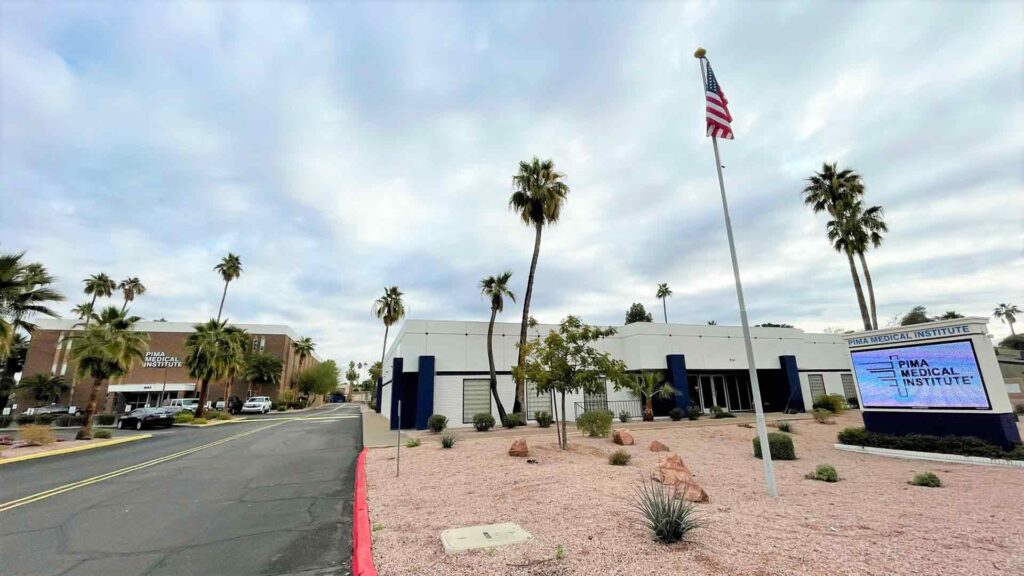
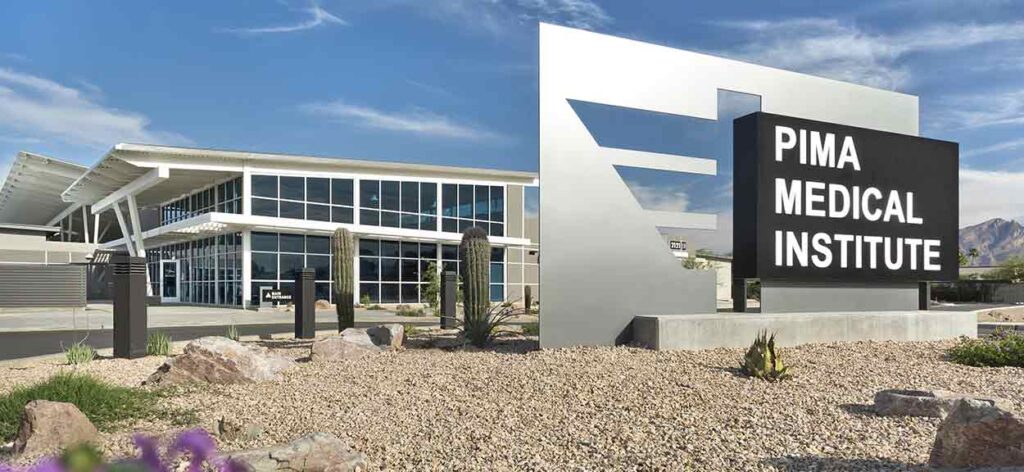
Pima Medical Institute has campuses across the West, each offering hands-on Medical Assistant training built for immediate workforce entry.
 California
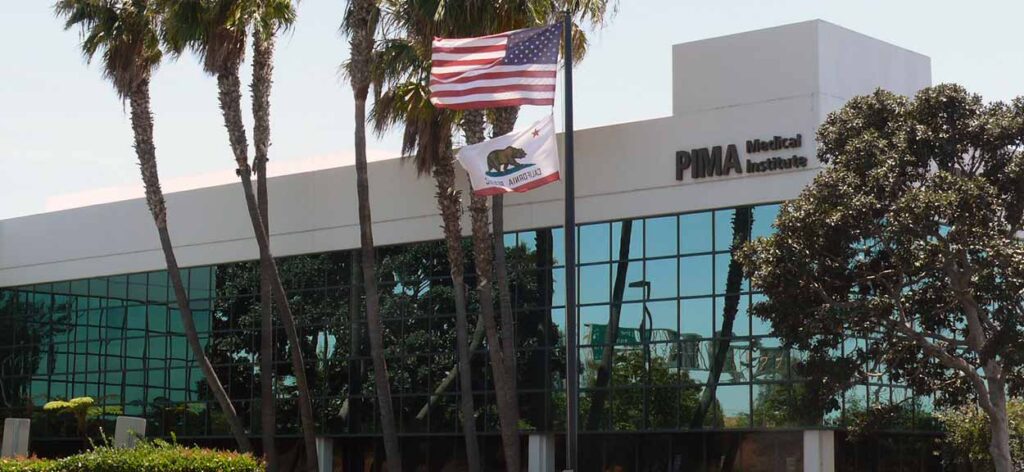
Chula Vista
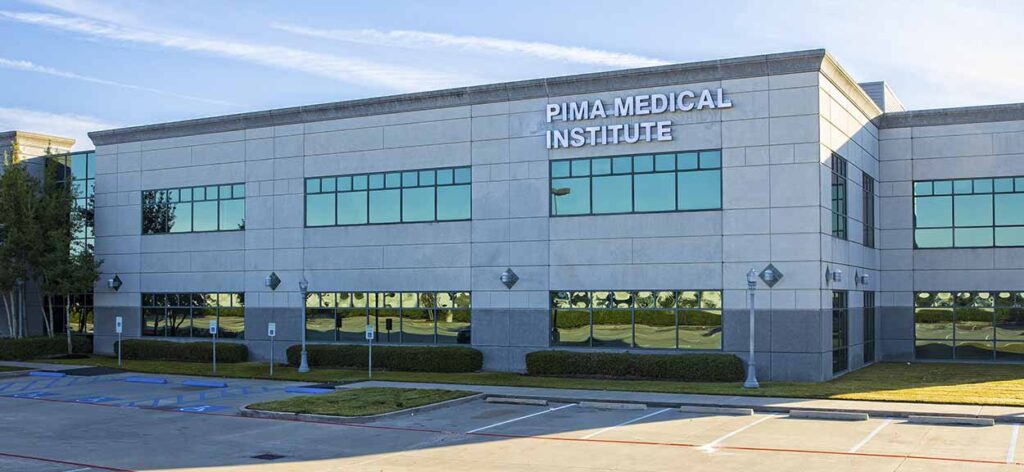
Our Chula Vista campus has been providing hands-on healthcare training to the San Diego community since 1998. Our labs use…
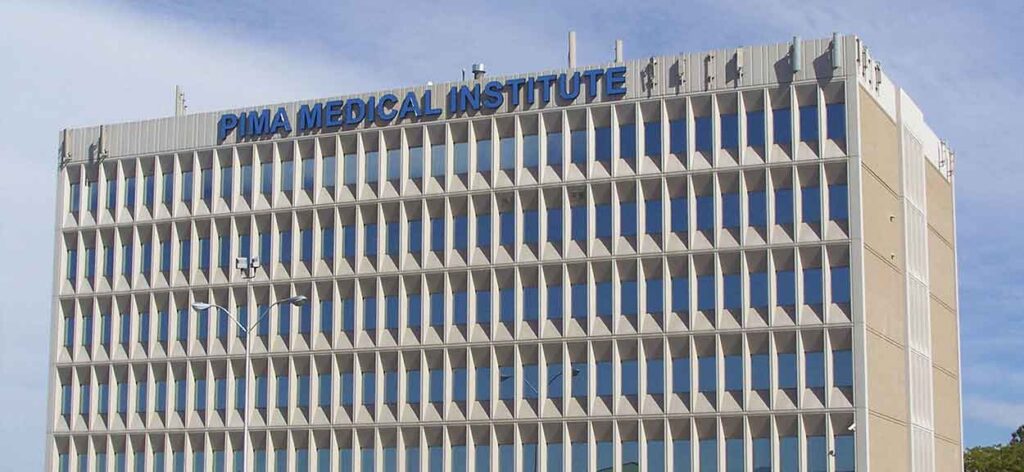
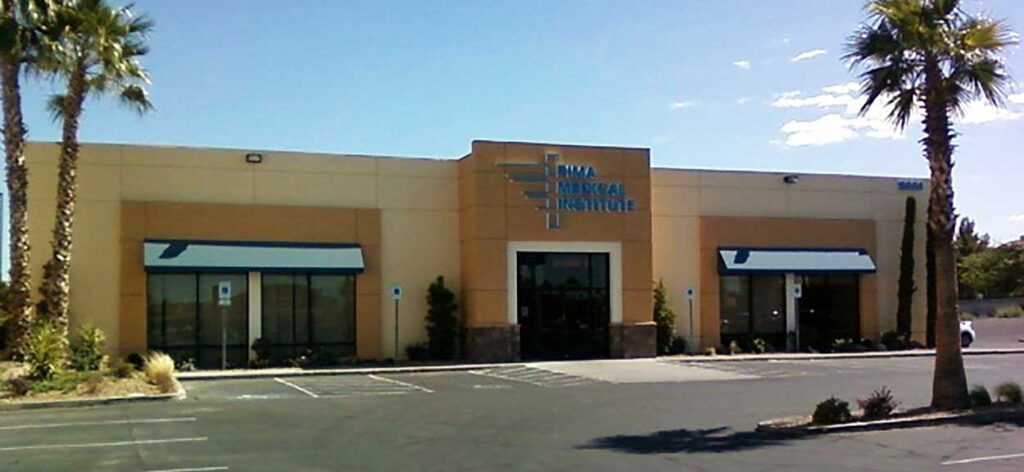
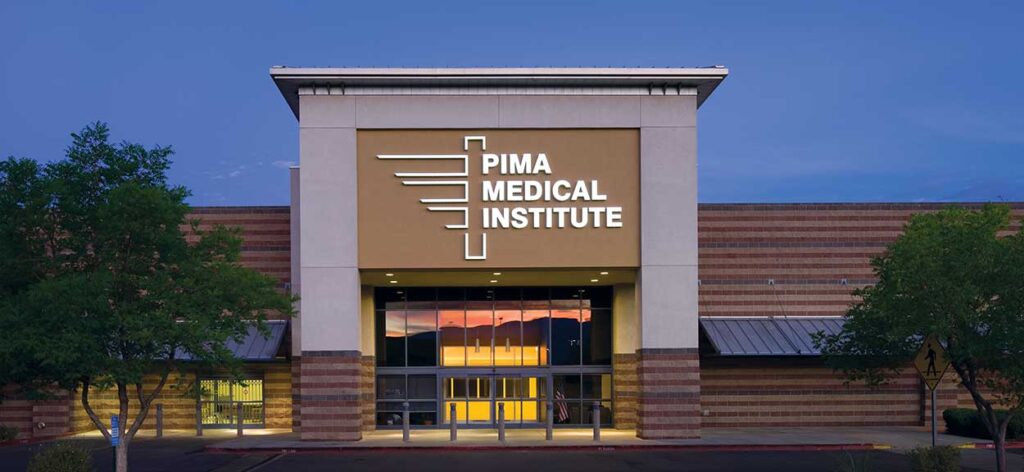 New Mexico
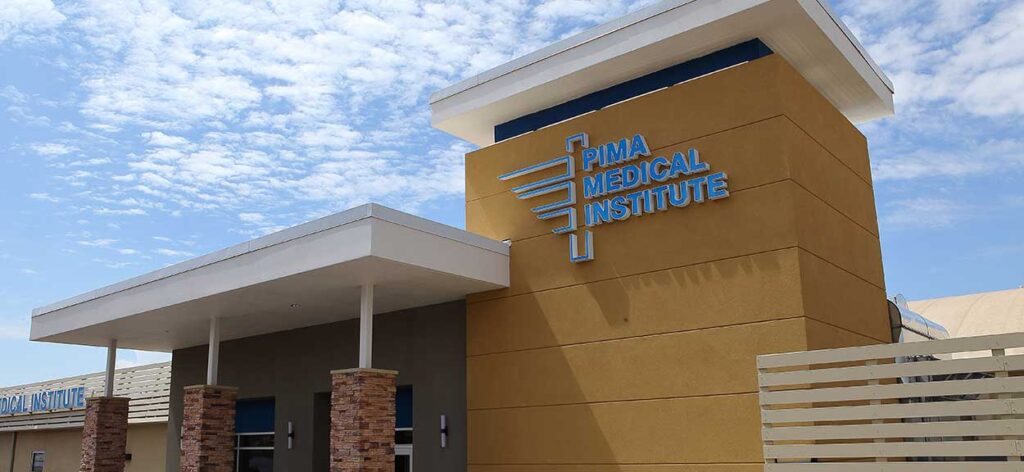
Albuquerque
Our beautiful Albuquerque campus has been serving the community since 1985. Located in the medical hub of New Mexico, real-world…
 Texas
Texas
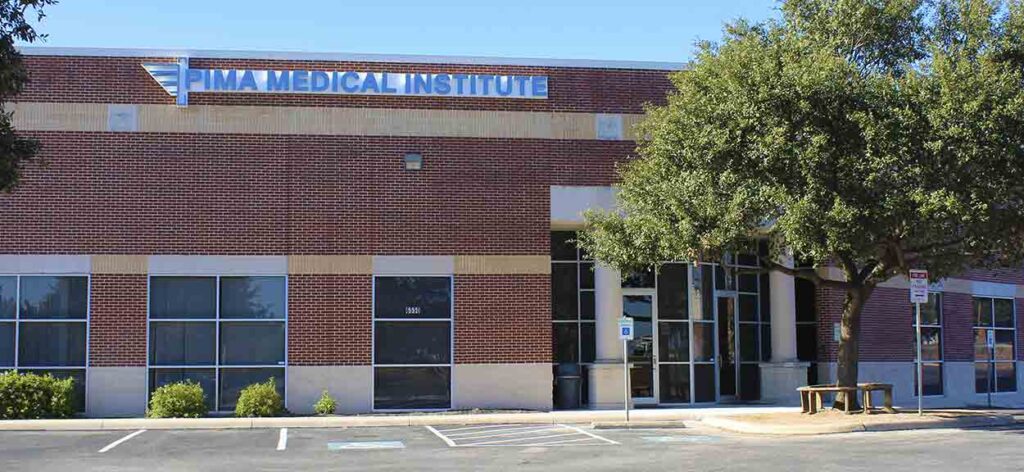
San Antonio
Our San Antonio, TX campus is located in Northwest San Antonio, in the heart of the medical center district. We’re…
 Washington
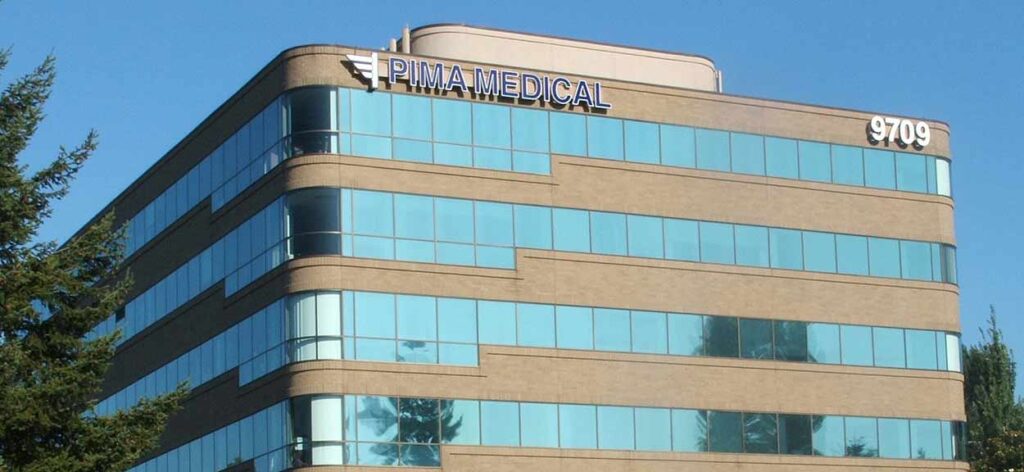
Seattle
Our Seattle campus, opened in 1989, proudly serves the Seattle community, offering programs in dental and medical assisting, pharmacy technician…
Clinical Externships
At Pima Medical Institute, most programs allow students to work in their field through clinical externships—a chance to be mentored by full-time professionals and interface with real patients.
In addition to real-world experience, clinical externships offer students resume-worthy opportunities, letters of recommendation from supervisors and sometimes job placement directly after graduation.
Learn More About Externships→Continuing Education
At Pima Medical Institute, we offer an online Bachelor of Science in Radiologic Sciences. This degree gives ARRT-registered professionals the skills needed to move up within their field, with the flexibility of virtual instruction.
For those looking to pursue an additional imaging modality, our Computed Tomography (CT) program offers a focused path to work toward CT certification, for those located in select states.
Interested in breaking into leadership or healthcare administration? We offer an online Bachelor of Science in Health Care Administration.
Job Outlook
5% Growth — The Bureau of Labor Statistics projects this occupation to grow faster than average over the next 10 years with a median pay of $81,390 per year.*
at https://www.bls.gov/ooh/healthcare/radiologic-technologists.htm (visited August 27, 2026).
What careers can you pursue with a Radiography associate degree?
The Radiography associate degree program prepares students to apply for roles and other related career opportunities including:
- Radiologic technologist
- X-ray technologist
- Fluoroscopy technologist
- Radiographer – emergency and trauma imaging
- Radiographer – orthopedic and sports medicine imaging
- Radiographer – outpatient and ambulatory care
These careers exist in a variety of environments, including but not limited to hospitals and health systems, diagnostic imaging centers, physicians’ offices and specialty clinics, outpatient and ambulatory care centers, urgent care and emergency care facilities, orthopedic and sports medicine practices, government health facilities and mobile imaging service providers.
Career Services
When you’re a Pima Medical Institute student, you get access to our Career Services team—here for you when you need extra help with finding the right job opportunities, building a resume, strengthening your interview skills or just looking for general guidance.
View Career Services→Student Services
Our team of student service professionals are on hand to see students through the challenges they might face during their academic career. We offer guidance and resources to ultimately help build employable medical professionals.
View Student Services→Application Process
- Submit the form below
A few quick details so we can get to know you before we connect.
- Chat with our team
They’ll ask about your goals, your background, and what’s drawing you to healthcare. From there, they’ll help you find the right program and campus for where you are in life right now.
- Attend your campus tour
Experience Pima Medical in person and picture yourself in a career that matters. We’ll walk you through programs and what to expect.
- We help you complete your application
Our team guides you through every step, including enrollment and financial services, so nothing stands between you and getting started.
Radiography Eligibility Requirements
- Possess a high school diploma or recognized equivalency
- Additional requirements may apply by campus

Tuition & financial aid
Federal aid (FAFSA), institutional scholarships and payment plans are available for those who qualify to help make your education affordable.
View program costs, additional disclosures and outcomes for this program (if applicable)→
FAQs About our Radiography Associate Degree Program
What is a radiologic technologist?
What is the difference between a radiologist and a radiologic technologist?
What is the difference between a radiologic technologist and an X-ray technologist?
What is the difference between radiography and other medical imaging fields like sonography or MRI?
Radiography uses X-ray technology to produce diagnostic images of bones, organs and internal structures. It is one of several imaging disciplines within the broader medical imaging field. Sonography uses high-frequency sound waves to visualize soft tissue and organs in real time, while MRI uses magnetic fields and radio waves to produce detailed images, particularly of soft tissue.
Pima Medical’s Radiography associate degree program introduces students to multiple imaging modalities as part of their clinical education and is designed to prepare graduates specifically for entry-level practice as a radiologic technologist. Students interested in sonography as a career path can learn more on our Associate Degree in Diagnostic Medical Sonography program page.
What will I learn in the Radiography associate degree program?
How do I get certified as a radiologic technologist after graduation?
Does Pima Medical offer financial aid for the radiography program?
What are the admissions requirements for Pima Medical's Radiography program?
Program Outline
Learn more about the courses in this program.
Semester l
Semester lI
Semester III
Semester IV
Semester V
Semester VI
Program is 90 weeks in length. The total number of program hours is 2,378 at all campuses except Las Vegas. Las Vegas campus program hours total 2,423.
Nobody Says It Better Than Our Students
Read our reviews from students and alumni to find out for yourself…
Pima Medical Blog
Following the Clinical & Leadership Pathway
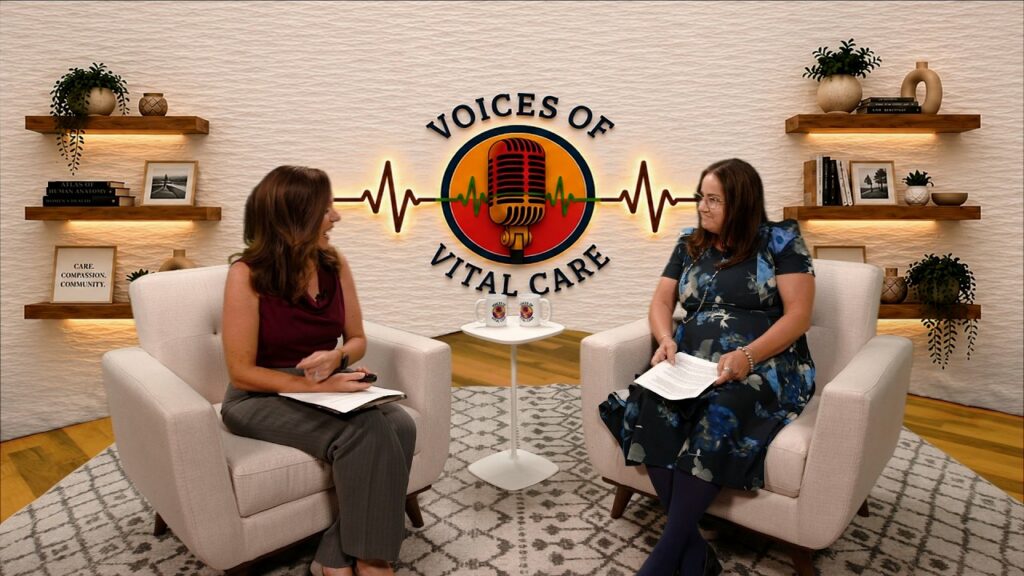
Discovering a Passion in Allied Health Your first healthcare job can be the start of a career you never imagined. On this episode of Voices…

Nicole Cardenas, Radiologic Technologist, Department of Veterans Affairs – Albuquerque
Nicole Cardenas is a graduate of the Albuquerque Campus Radiography associate degree program and a graduate of the online Bachelor of Science in Radiologic Sciences…
Radiologic Technology Training in Las Vegas: What Pima Medical Institute Offers
Maybe you have spent time working the floor at a casino, checking guests into a hotel, or keeping a restaurant running through the dinner rush….
Accreditations and Disclosures
Accreditation Information
View accreditation information for all programs by campus
California Dept of Public Health-Radiologic Health Branch Examination Statistics
Radiography Program Admissions Requirements
All Associate Degree Radiography Academic Calendars
| Program Mission, Goals, Learning Outcomes and JRCERT Program Effectiveness Data | ||
|---|---|---|
| Albuquerque, NM | Chula Vista, CA | Denver, CO |
| El Paso, TX | Houston, TX | Las Vegas, NV |
| Mesa, AZ | San Antonio, TX | Seattle, WA |
| Tucson, AZ | ||
State Licensure Determination Disclosure
The Radiography program is offered via on-ground and hybrid delivery methods. The program is available to residents of Arizona, California, Colorado, Nevada, Texas, and Washington, and meets applicable licensure requirements in those states. While there may be online components, completion of this program requires on-ground attendance at the campus at which the student is enrolled and cannot be completed solely via distance education. Prospective students and enrolled students should understand that moving out of the state in which they enrolled may adversely impact a student’s ability to complete the program. If a student is planning to relocate outside of their state of enrollment he or she is required to discuss this with the Student Services Coordinator and/or Program Director.
In compliance with 34 CFR 668.43 Pima Medical Institute has made a reasonable effort to determine graduate eligibility for licensure in all states for programs designed and advertised as leading to licensure. The document below lists Pima Medical Institute programs and states where the curriculum meets licensure requirements, states where the curriculum does not meet licensure requirements, and states in which Pima Medical Institute has been unable to determine if the curriculum meets state licensure requirements. All consumers should be advised that due to the frequent changes to state statutes, rules, and regulations Pima Medical Institute cannot guarantee licensure based on the lists below.
Clinical Facility / Externship Requirements
Students are expected to travel for their clinical training within the greater metro area from where the campus is located. Depending upon the program / campus location, this can be greater than 60 miles. Programs may have distant sites readily available where students can volunteer to attend for one or more of their clinical experiences. All travel will incur additional costs but will vary based on student resources in the area, such as transportation, food, and housing.
Clinical training may include different shifts (evenings, nights, and/or weekends). Students are expected to work the shift determined by the site based on their clinical assignment and should be prepared to accommodate any shift during their clinical course.
Prospective students should inquire with the respective program director or clinical director for any specific clinical requirements.